From Classroom to Career: The Next Generation of Fraud Fighters
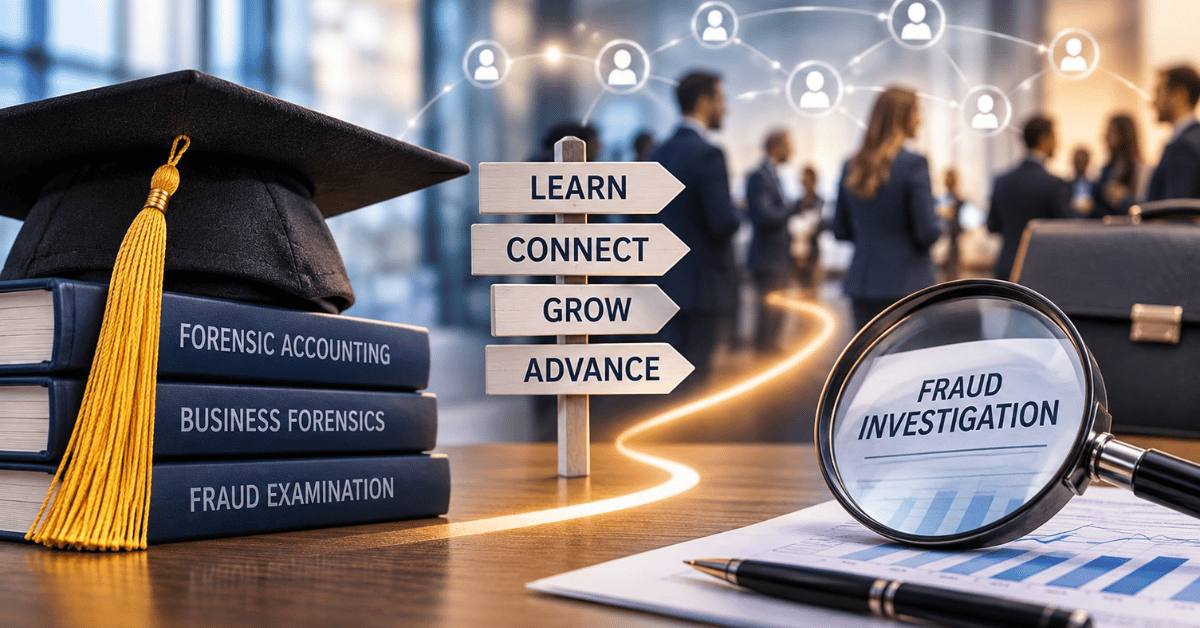
How today's fraud students are finding their place in the fight against fraud.
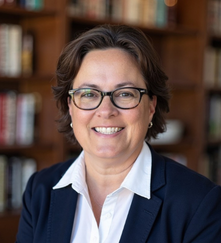
By Dr. Alisa DiSalvo
The future of fraud examination depends on the next generation of professionals who are willing to ask questions, follow the evidence, challenge assumptions, and stand up for those who have been taken advantage of.
The path into fraud examination often starts with something more personal than academic. It can begin with curiosity about human behavior, a desire to make a difference, or a passion for uncovering the truth. This fall I put the question to seniors in our Franklin University capstone course in forensic accounting and business forensics. They all took very different routes to the same classroom, and I have been thinking about their answers ever since and why it matters.
One student said the field simply felt like a natural fit:
“I have always been interested in the human mind, why they do what they do… I have always tried my best to stop people from getting taken advantage of.”
Having seen up close the damage fraud can cause, this student is choosing a career in the field as a way “to balance the scales.”
Another student shared that while preparing to transfer from community college, they discovered our Forensic Accounting program and immediately knew it was the right path. In their words:
“I rely heavily on intuition in my everyday life; professionally, however, I am very logical, analytical, and fact-based… I need concrete facts to support my work so everything clicks.”
Although their journeys were different, both students demonstrated qualities that are at the heart of fraud examination: curiosity about people, a commitment to protecting others, critical thinking, and the discipline to let the evidence lead.
More Than Numbers: Making a Difference
Fraud examination is a profession that brings together many different skills. It requires analytical thinking, attention to detail, communication, curiosity, and an understanding of human behavior. It is not about one area or discipline, but having the drive to know the details, understand the story. There are individuals, businesses, and communities affected by fraud, and professionals working to uncover what happened, identify patterns, and help prevent future losses.
That combination of analytical work and meaningful impact is what makes this career path so rewarding. It also creates opportunities for people with different educational backgrounds, professional experiences, and interests to find their place in the profession.
As fraud continues to evolve, so does the need for professionals who are prepared to recognize emerging schemes, think critically, collaborate across disciplines, and approach investigations with integrity.
Building the Next Generation of Fraud Fighters
The transition from classroom to career doesn't have to wait until graduation. This is one point that I personally push to every class at all points in the student’s journey.
Students interested in forensic accounting, fraud examination, and business forensics can begin building their professional network while still in school. Getting involved with the Association of Certified Fraud Examiners (ACFE) and connecting with a local chapter provides opportunities to learn from experienced professionals, explore career paths, attend educational events, and develop relationships that can continue long after graduation.
Being a part of the ACFE and knowing your local chapter is an essential first step. For example, the ACFE Twin Cities Chapter was named the 2025 ACFE Chapter of the Year and is committed to supporting the fraud examination community through professional education, networking, and opportunities to connect with others who share a passion for fighting fraud.
For students, that connection can be especially valuable. It provides a chance to hear directly from practitioners, learn about the realities of fraud investigations, discover the many career opportunities available, and begin developing a professional identity before entering the workforce.
The profession benefits, too. Today's students bring fresh perspectives, new questions, and a willingness to approach challenges differently. Their energy and ideas will help shape how the next generation of fraud professionals responds to an increasingly complex fraud environment.
The Future Starts Now
My best advice to students considering this field: don't wait until graduation to become part of the profession! Start learning more now and take the steps to become a part of a community.
Become a member of the ACFE, get involved with your local chapter, attend an event, introduce yourself to a professional, and ask questions. You don't need to have all the answers or know exactly where your career will take you. You simply need to take the first step.
The fraud examination community is stronger when experienced professionals share their knowledge and emerging professionals bring new ideas, perspectives, and enthusiasm to the table.
The next generation of fraud examiners is already sitting in our classrooms. Our job, as faculty and as practitioners, is to help them see how what they are learning now connects to the people they will be protecting later.
Together, we're building more than careers. We're building the next generation of professionals committed to protecting people, uncovering the truth, and making a difference.
Author: Dr. Alisa DiSalvo